
In the semiconductor industry, burn-in boards (BIBs) are indispensable tools for ensuring the reliability and longevity of integrated circuits (ICs) and other electronic components. These specialized printed circuit boards (PCBs) act as test fixtures, subjecting devices to accelerated stress conditions, such as high temperatures and electrical loads, to weed out components with early-life failures. This process, known as burn-in testing, effectively screens out devices that fall into the “infant mortality” phase of the product reliability bathtub curve, leaving a much more reliable batch of components for final products.
What Are Burn-In Boards and How Do They Work?
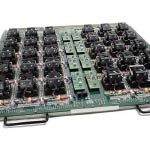
A burn-in board is a custom-designed test fixture that holds and electrically connects a large number of ICs, also known as devices under test (DUTs). The fundamental function of the BIB is to create a controlled, harsh environment that simulates years of real-world operation in a compressed timeframe.
The Burn-In Process
The process involves several key steps:
- Placement and Power: The DUTs are securely mounted onto the burn-in board using precision-engineered sockets. The board is then loaded into a burn-in oven or system. The board’s circuitry distributes power and ground to each DUT, ensuring a stable electrical connection.
- Stress Application: The burn-in system applies elevated voltage and temperature to the boards and the components mounted on them. The specific conditions vary depending on the device and its intended application.
- Monitoring and Data Collection: During the test, the system may monitor the performance of the devices. In a “test during burn-in” (TDBI) setup, the system can perform real-time testing, allowing for the immediate identification of failures. This data is invaluable for analyzing failure modes and improving future designs.
Types of Burn-In Tests
There are two primary types of burn-in tests:
- Static Burn-In: This is a basic test where high currents or voltages are applied to the DUTs without operating them functionally. It’s used to find potential faults caused by electrical stress.
- Dynamic Burn-In: This is a more rigorous test that involves operating the devices under test, applying specific electrical signals while they are subjected to high temperatures and voltages. This method more accurately simulates real-world operating conditions and can uncover more subtle, performance-related issues.
The Complexities of Burn-In Board Design
Designing a burn-in board is a complex engineering task that requires a deep understanding of electrical, thermal, and mechanical principles. A well-designed board isn’t just a simple PCB; it’s a precision fixture that must perform flawlessly under extreme conditions to ensure accurate and repeatable test results.
Key Design Considerations
- Thermal Management: Burn-in boards must be designed to handle the high temperatures of the burn-in oven (often exceeding ) and the heat generated by the DUTs. This requires the use of high-temperature materials like polyimide and strategic design features such as thermal vias and heat sinks.
- Signal Integrity: The board must ensure that the electrical signals transmitted to and from the DUTs are clean and free from distortion. This is achieved through careful trace routing, impedance matching, and the use of decoupling capacitors to filter out high-frequency noise.
- Power Delivery: Providing clean, stable power to hundreds or even thousands of devices simultaneously is a major challenge. The design must incorporate robust power and ground planes to minimize voltage drops and ensure consistent power delivery to every socket.
- Socket Design: Sockets are the critical interface between the board and the DUTs. They must securely hold the devices under thermal stress without damaging them and ensure a reliable electrical connection throughout the testing process.
Construction and Quality Assurance
The manufacturing of a burn-in board is equally demanding, involving several specialized steps:
- PCB Fabrication: This includes processes like layer lamination, drilling, copper plating, and etching to create the complex multi-layer circuits. High-quality materials and meticulous processes are essential to ensure the board’s durability.
- Component Assembly: Components such as sockets, resistors, capacitors, and other active/passive components are precisely placed and soldered onto the board.
- Quality Assurance: The completed boards undergo rigorous testing, including electrical and thermal checks, to ensure they meet the stringent performance and safety requirements. This step prevents false positives in actual testing.
The Burn-In System: The Engine of Reliability
The burn-in board is only one part of the larger burn-in system, which provides the controlled environment and the necessary power and signal sources to perform the test.
How They Are Used Together
- Loading: Burn-in boards, populated with DUTs, are loaded into the burn-in system.
- Environment Control: The system’s controller sets the required temperature and monitors the environment to ensure it remains stable throughout the test.
- Signal and Power Application: The system applies pre-programmed electrical signals and power to the boards, initiating the stress test on all components simultaneously.
- Data Monitoring and Analysis: The system collects data on the performance of the devices. This data is then analyzed to identify and remove any devices that have failed the test.
- Unloading: After the test is complete, the boards are unloaded, and the now-reliable components are sent to the next stage of manufacturing.
The entire process, from loading to unloading, can be automated to increase efficiency and reduce the risk of human error.
Why KES Systems Is the Best Choice for Turnkey Burn-In Boards
When it comes to something as critical as burn-in boards, partnering with a proven expert is non-negotiable. KES Systems has established itself as a world leader in this field, offering comprehensive turnkey burn-in board solutions.
Unmatched Expertise and Experience
With over 40 years of experience and a team boasting over 100 years of combined expertise, KES Systems possesses an unparalleled understanding of burn-in technology. They have a proven track record of designing and manufacturing burn-in boards for a vast range of applications, from automotive and medical devices to military and consumer electronics. This deep industry knowledge allows them to anticipate challenges and deliver solutions that are not only effective but also highly reliable.
Superior Quality and Innovation
KES Systems’ boards are engineered for maximum density and cost-efficiency without compromising on quality. They use top-tier materials and rigorous manufacturing processes to ensure their boards can withstand the most demanding testing conditions. Their commitment to innovation is evident in their cutting-edge solutions, such as wafer-level burn-in (WLBI) and custom-designed test sockets, which are tailored to meet the unique needs of modern, complex devices.
Comprehensive Turnkey Solutions
KES Systems offers a true turnkey service, managing the entire burn-in board process from start to finish. This includes:
- Design & Engineering: Their engineers work closely with customers from the initial request for a quote to understand their specific needs and design a board that balances performance, cost, and manufacturability.
- Manufacturing: They handle all aspects of fabrication and assembly, ensuring a seamless transition from design to production.
- Integration & Support: KES Systems provides boards that are compatible with a wide range of burn-in systems and offers comprehensive post-delivery support and logistics, making the process simple and stress-free for the customer.
By going beyond just manufacturing boards, they build lasting partnerships with their clients, helping them achieve their quality goals and maintain a competitive edge.
Conclusion
Burn-in boards are an indispensable tool in the semiconductor industry, acting as the frontline defense against early product failures. The design, manufacturing, and use of these boards are highly specialized processes that demand precision and expertise. By choosing a partner like KES Systems, with its extensive experience, commitment to quality, and comprehensive turnkey solutions, semiconductor manufacturers can ensure the highest level of reliability and performance for their products, safeguarding their reputation and their bottom line. For more information, you can contact KES Systems at their Dallas headquarters or international offices.